Two Meters of Fame: How the Corner of a Scottish Hotel Became the Shortest Street in the World
Two meters. One step. One door. How the corner of a Scottish hotel became the shortest street in the world and took the record from an English town.
ONLINE MAGAZINE
Two meters. One step. One door. How the corner of a Scottish hotel became the shortest street in the world and took the record from an English town.
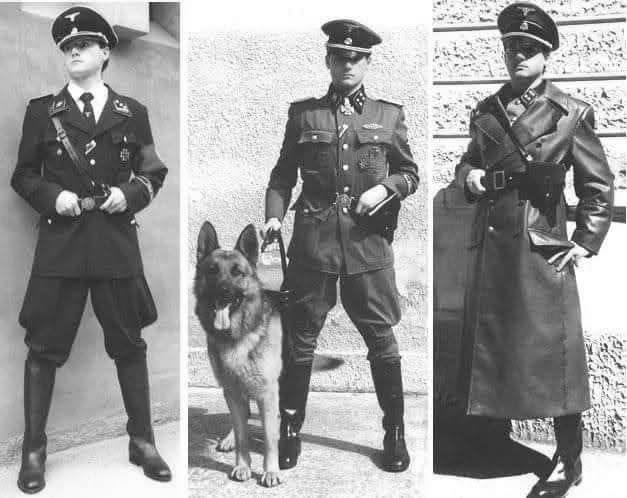
Hugo Boss didn’t design the black SS uniform. But his factory made uniforms for Nazi organizations and used forced labor. Myth vs. fact.
Before it was a symbol of luxury, the Jacuzzi was a homemade pump for a boy with arthritis. Here is how a father’s attempt to ease his son’s pain became one of the best-known wellness brands in the world.
He was twenty-four, the heir to one of the world’s greatest fortunes, and he loved flying more than business. One January afternoon in 1973, a plane in Athens answered its controls backwards. His father never believed it was an accident.
A small merchant ship sank off Türkiye some 4,700 years ago, in the age of the pyramids. Its wood is gone, but its jars, anchors and one mysterious vessel are rewriting what we know about trade, travel and daily life at sea.
In 1950s America, a cigarette machine wanted a quarter for a 23-cent pack. The fix was two pennies taped to the pack. A small story about friction, pricing and why the easiest sale wins.
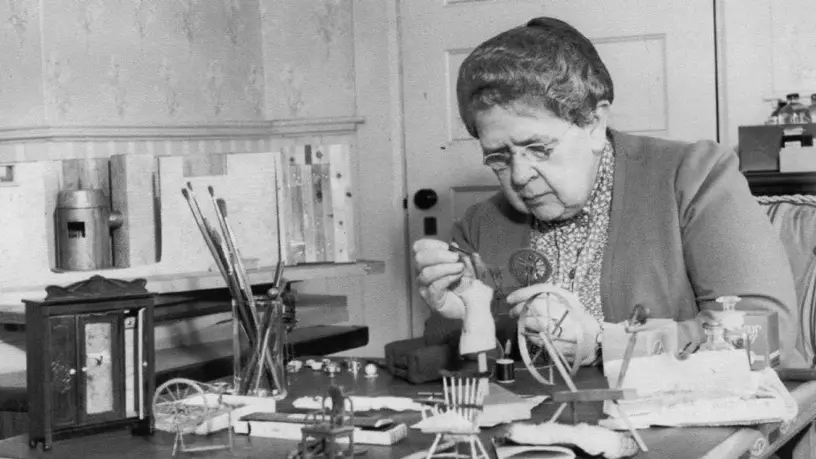
A girl goes to buy steak for dinner and never comes home. Days later she’s found in a closed-up pastor’s house. She is a doll, and the scene is a dollhouse. Meet Frances Glessner Lee, the heiress who used miniature murders to teach American detectives to look before they touch.
In Sparta, having children wasn’t a private matter between husband and wife. It was the state’s concern. Ancient writers describe something that sounds wild by modern standards: a married woman could have a child by another man, as long as her husband was fine with it.
But the people telling us this are Plutarch and Xenophon, and what they give us is closer to an ideal they attached to Sparta than a record of daily life. So what in these stories can we take seriously?
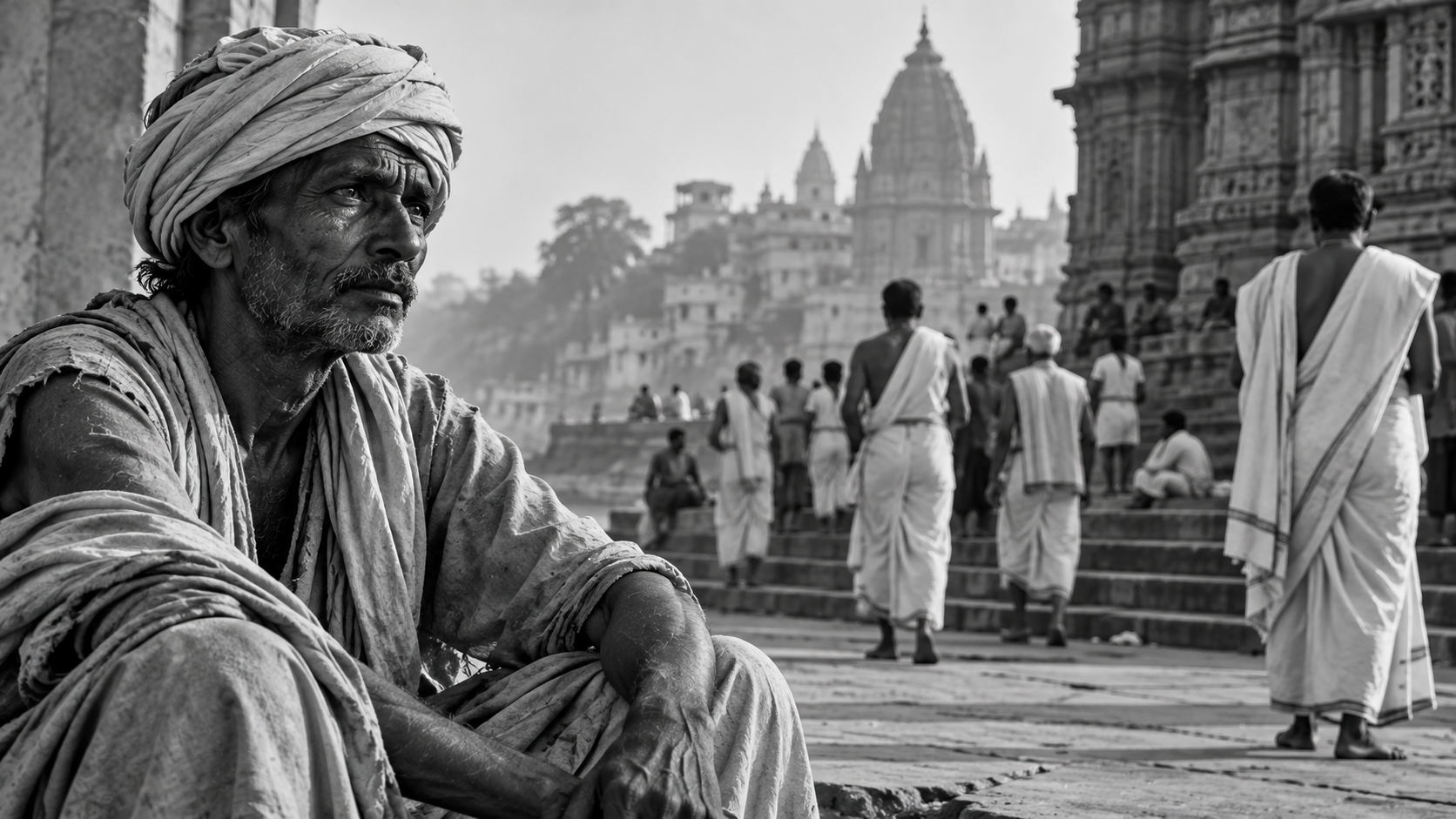
India is a modern democracy, a global technology power and one of the world’s most influential countries. Yet caste remains deeply embedded in Indian society. Legal equality has existed for decades, but birth can still influence marriage, social status, opportunity and even personal safety. How can a modern society continue to carry the weight of an inherited hierarchy? And can India finally leave caste behind?
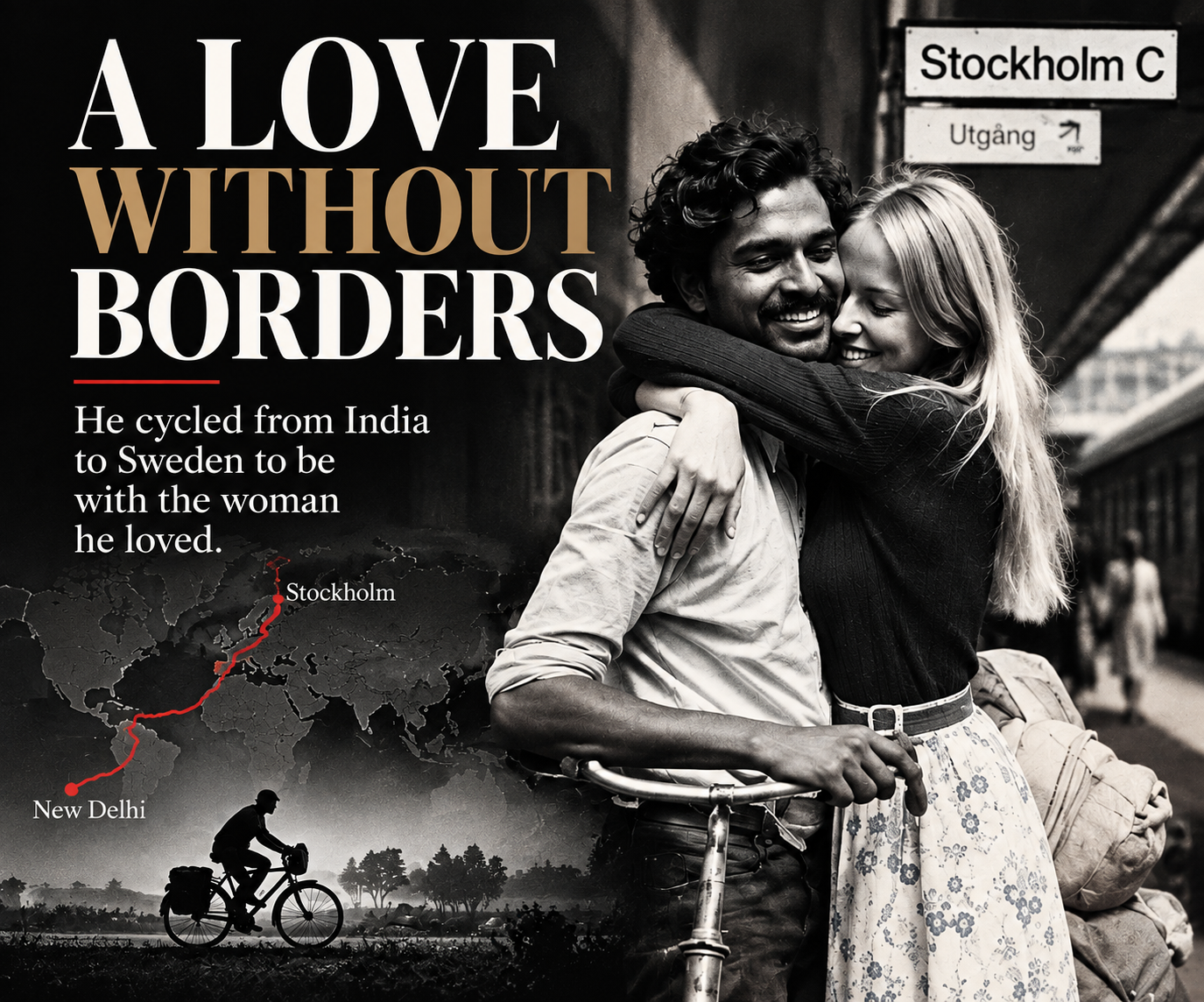
He had no plane ticket, no GPS and almost no money. So in 1977, an Indian artist bought a second-hand bicycle and began riding from New Delhi toward Sweden — because the woman he loved was waiting there.
She went to Rwanda to study mountain gorillas and ended up spending nearly two decades fighting to protect them. Dian Fossey became one of the most controversial conservationists of her time — before she was brutally murdered in her mountain cabin. Her killer was never definitively identified.
Instagram taught us how to make life look perfect. Now, after years of filters, curated photographs and carefully constructed identities, people are beginning to ask a different question: what if we stopped performing and simply lived? From the rise of Instagram to today’s growing fascination with authenticity, this is the story of why the perfect life may finally be losing its appeal.
In a world obsessed with everything new, people are beginning to rediscover the value of things that last. Handmade objects, repair, second-hand, craftsmanship and materials that become more beautiful with time are creating a different idea of consumption — one based not on having more, but on choosing better.
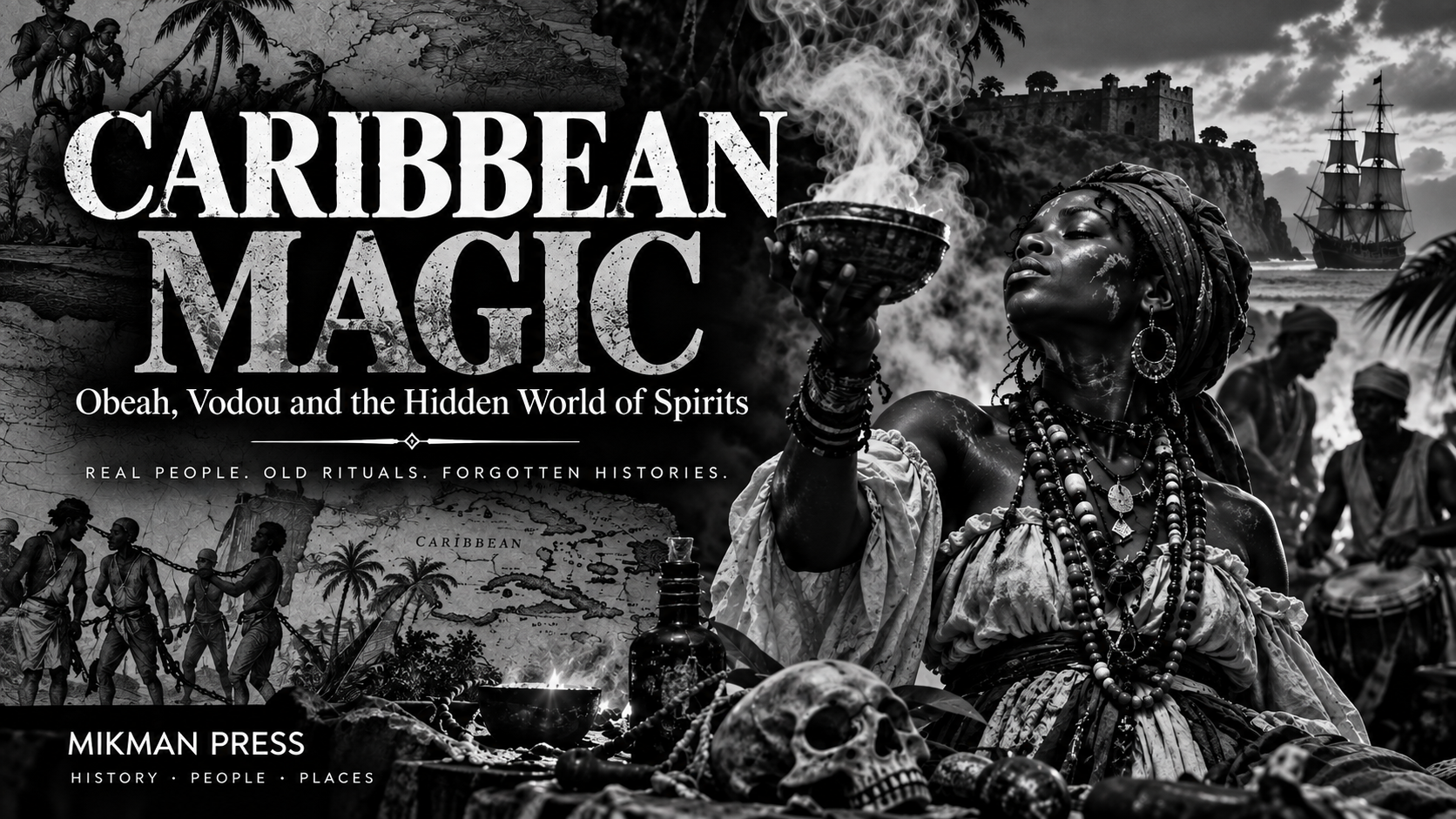
Long before “voodoo” became a Hollywood stereotype, the Caribbean was home to secret rituals, spiritual healers, forbidden ceremonies and traditions brought across the Atlantic from Africa. From Jamaica’s mysterious Obeah cases to Haiti’s legendary Bois Caïman ceremony and Trinidad’s Orisha traditions, the history of Caribbean magic is filled with real people, court records, religious beliefs and stories that remain impossible to fully explain.
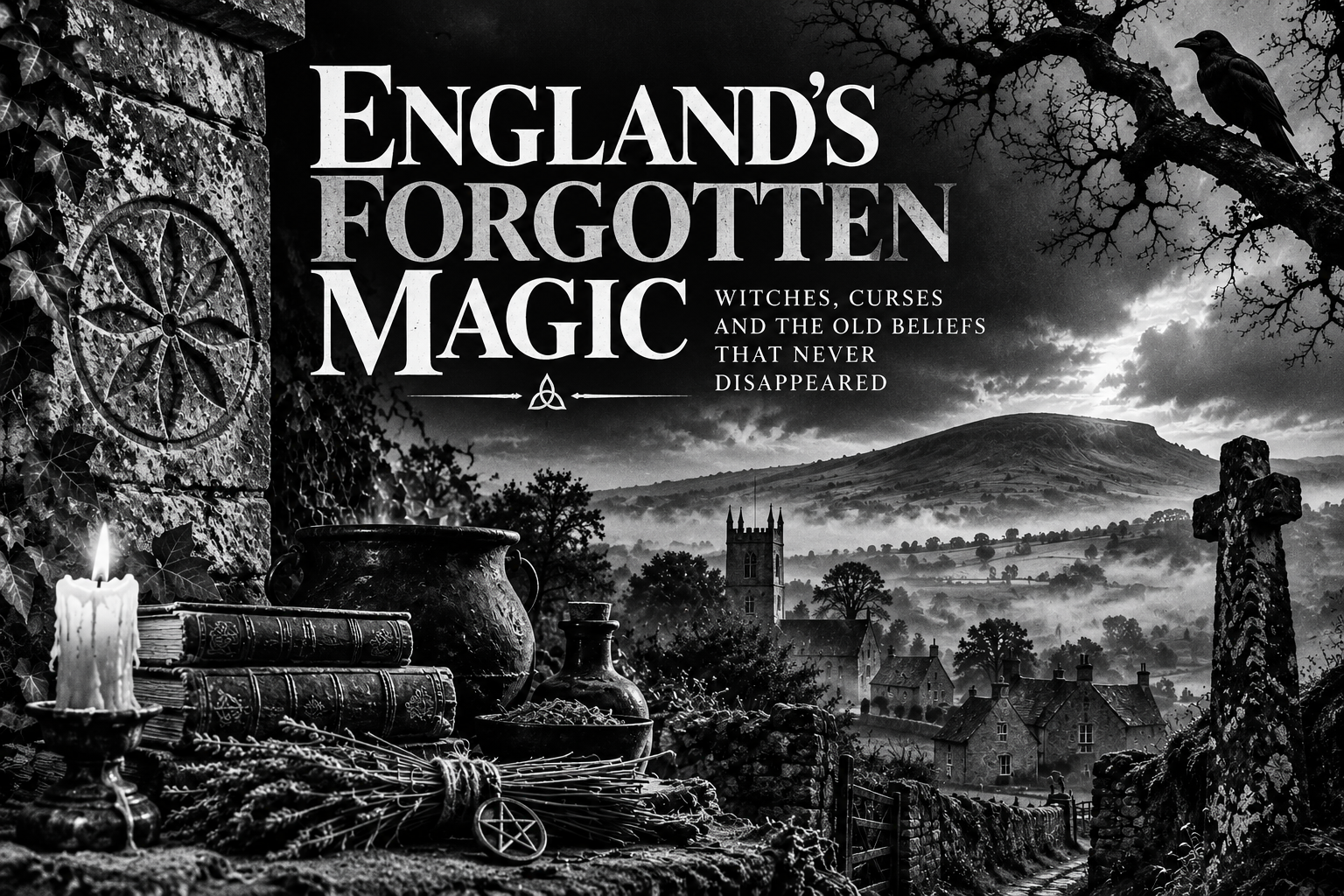
England has another history — one of witches, curses, hidden symbols, healing charms and ancient beliefs that survived beneath the surface of modern life. From the witch trials of Pendle to mysterious marks carved into old houses, the forgotten magic of England reveals a world where fear, folklore and everyday life were deeply connected.
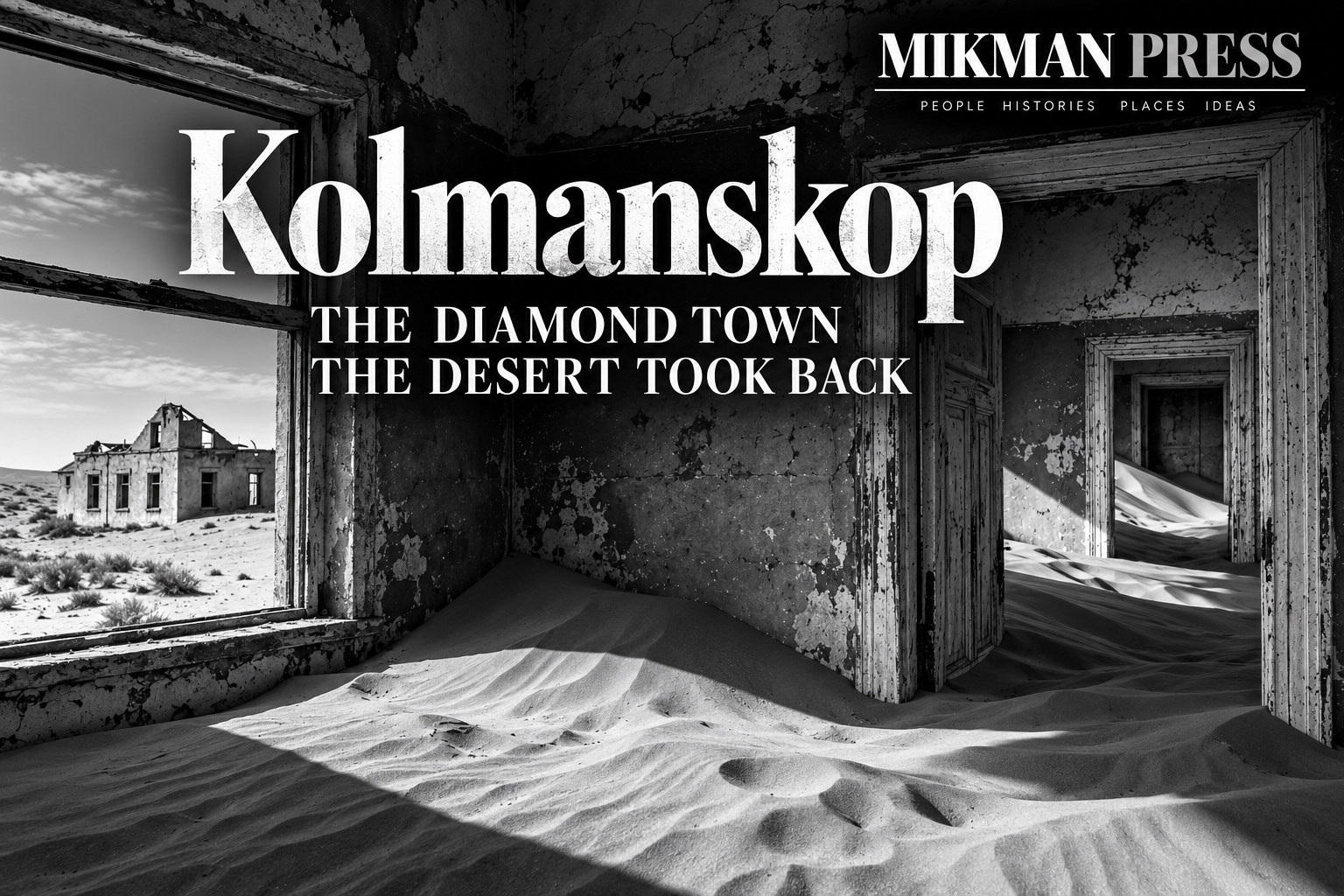
Deep in Namibia’s Namib Desert stands a town where diamonds once brought extraordinary wealth. Today, sand fills its abandoned houses, corridors and rooms. Kolmanskop was built on a diamond rush, but when the diamonds disappeared, its people left — and the desert slowly took the town back.
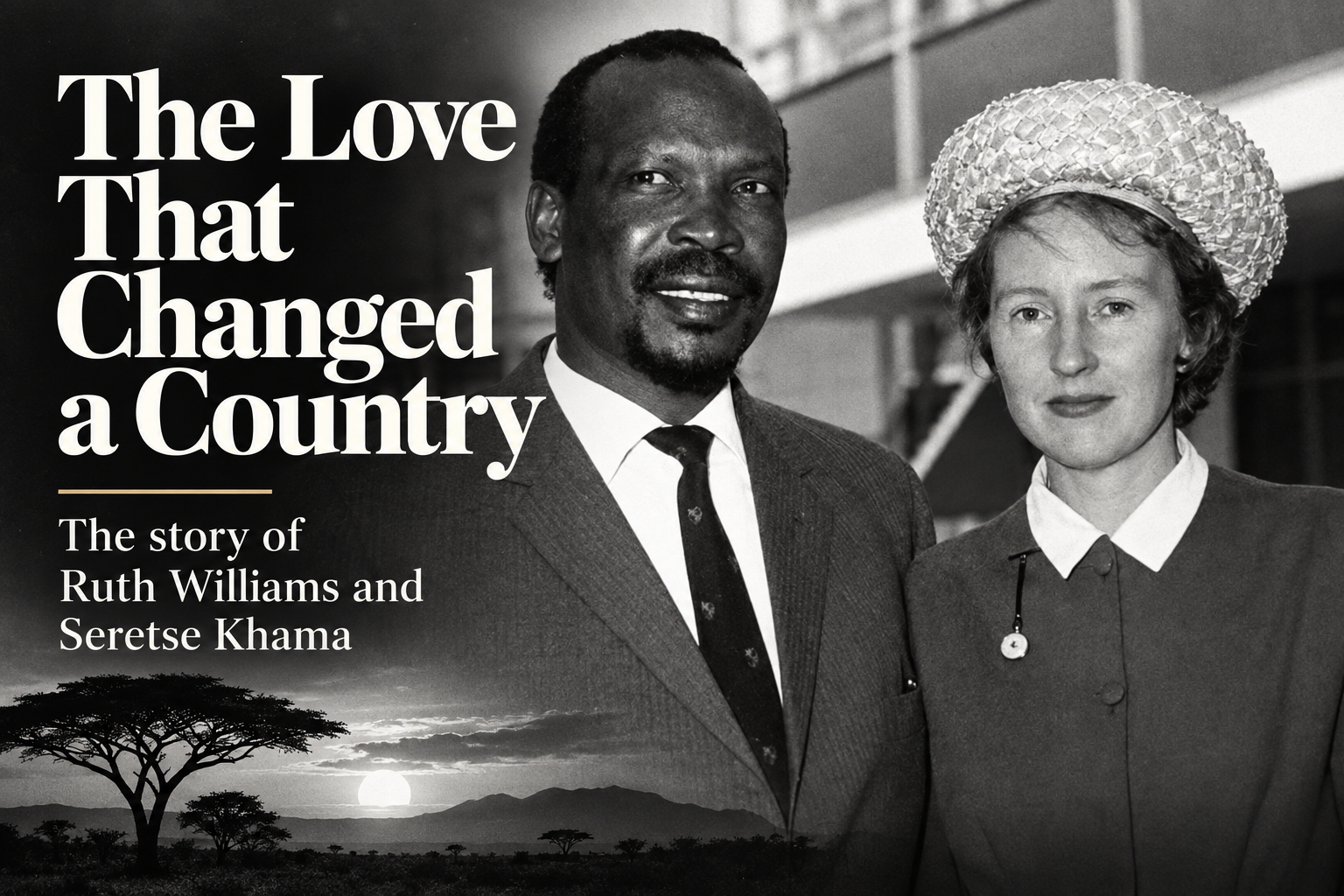
In 1947, Ruth Williams and Seretse Khama met in London and fell in love. Their interracial marriage triggered opposition from families, politicians and governments — and eventually led to years of exile. But their story did not end there. Seretse returned to Africa, became the first president of independent Botswana, and Ruth stood beside him throughout the extraordinary journey.
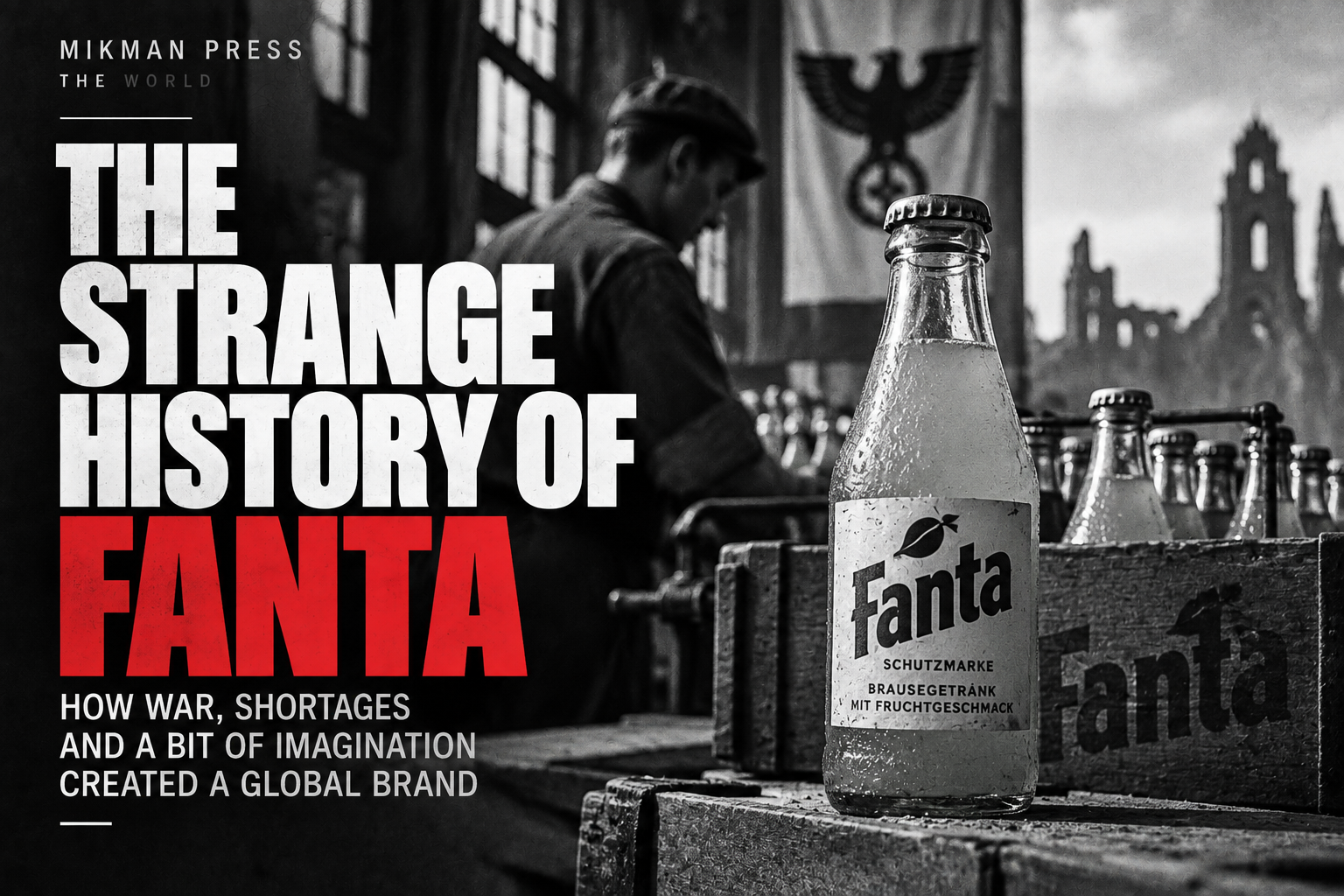
Fanta looks like one of the world’s happiest drinks. But its story began during the Second World War, when Coca-Cola could no longer import its ingredients into Germany. The first Fanta was made from what was available — and it was nothing like the orange drink we know today.
Fiji is known as a Pacific paradise. But behind its beaches and turquoise waters, a rapidly growing HIV epidemic is putting families, children and the country’s health system under growing pressure.
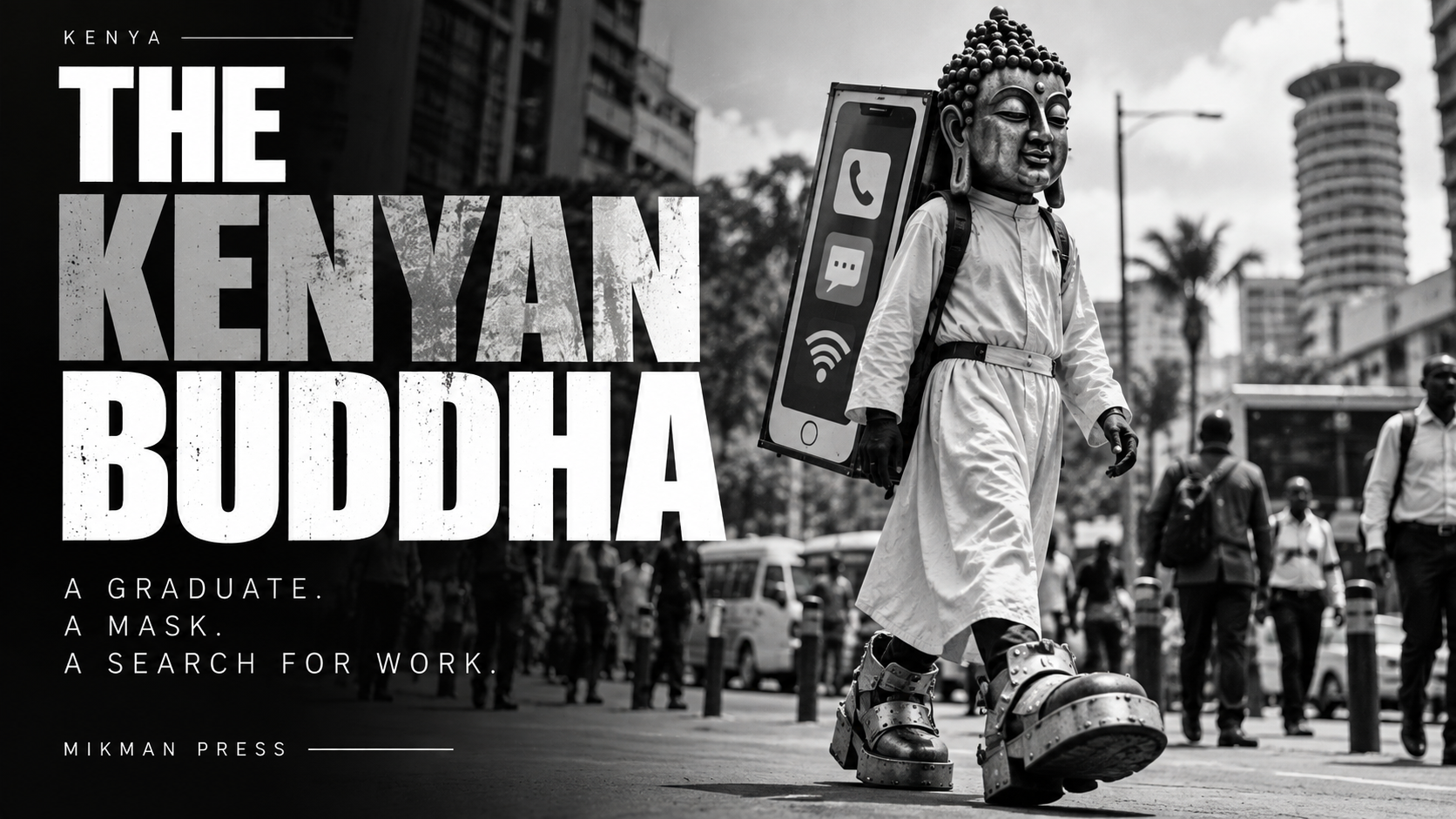
He walks through Nairobi wearing a giant Buddha-like mask, enormous metal shoes and a smartphone-shaped sign. Behind the bizarre costume is a Kenyan telecommunications graduate looking for work — and trying to turn himself into an advertisement.